
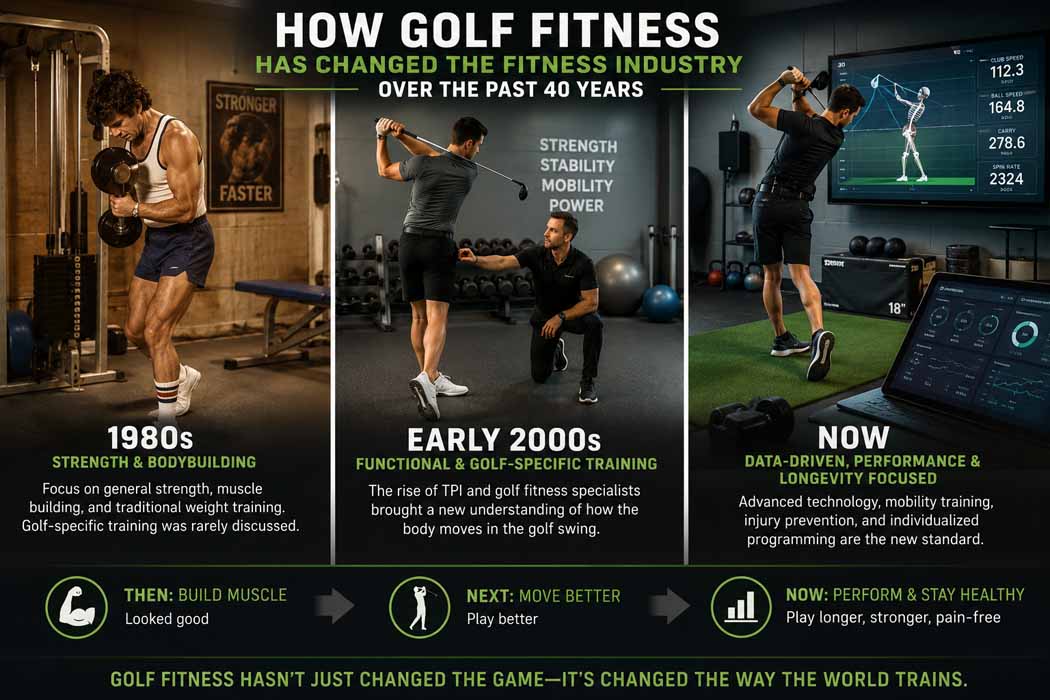
How Golf Fitness Has Transformed the Game Over the Past 40 Years
Golf has always been known as a game of skill, strategy, and mental toughness not necessarily athleticism. For decades, players relied on precision and experience rather than physical strength. But that image of golf has changed dramatically.
Over the past 40 years, fitness has completely reshaped the game. From Tiger Woods’ groundbreaking workouts to the rise of sports science, today’s golfers train like athletes and it’s transforming how the game is played, taught, and even designed.
Let’s dive into how golf fitness evolved, what it’s done for performance, and why it’s now essential for golfers at every level.
The Old School Era: When Golf Was “Just” a Skill Game
Before the 1990s, golfers weren’t exactly known for hitting the gym. Legends like Jack Nicklaus and Arnold Palmer were incredible competitors, but their success came from skill and mental focus not squats or sprint drills.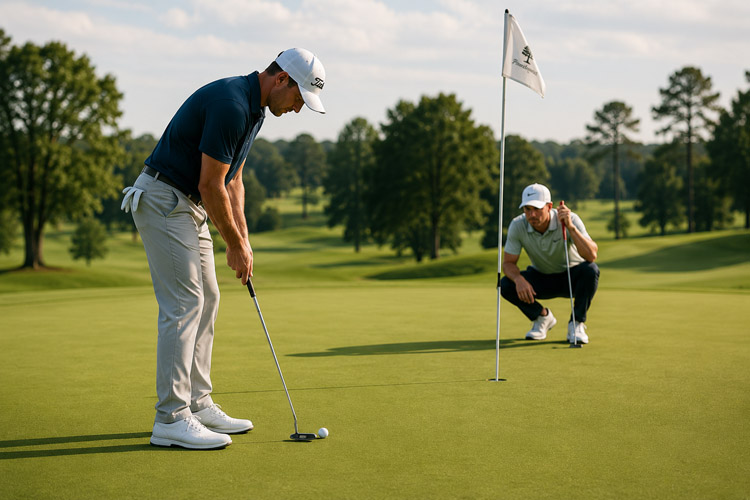
In fact, many coaches once believed that lifting weights could hurt a golfer’s swing. The thinking was that muscle bulk would reduce flexibility and rhythm, which were considered far more important than power.
For most of the 20th century, golf was viewed as a gentleman’s pastime not a physically demanding sport. That perception held strong until one man completely rewrote the narrative.
The Turning Point: Tiger Woods Redefines the Golfer
When Tiger Woods burst onto the scene in the mid-1990s, he didn’t just dominate tournaments he revolutionized how golfers thought about their bodies.
Tiger’s combination of power, precision, and athleticism was unlike anything the sport had seen. His fitness routine included strength training, cardio, flexibility work, and mobility exercises all designed to maximize his speed and endurance.
His transformation sent shockwaves through the sport. Suddenly, golf wasn’t just about finesse it was about fitness. Tiger proved that being stronger and fitter could produce tremendous clubhead speed without sacrificing accuracy.
As a result, golf courses began to adapt adding length, tougher rough, and deeper bunkers to challenge this new generation of power players.
The Rise of Sports Science in Golf
After Tiger’s rise, professional golfers started hiring fitness coaches, nutritionists, and physiotherapists. Training centers began popping up around the world, focusing on golf-specific conditioning.
Organizations like the Titleist Performance Institute (TPI) became leaders in this movement. They introduced data-driven programs to help golfers move more efficiently, prevent injuries, and tailor workouts to their unique swing mechanics.
Biomechanics and motion analysis became standard tools for elite players. Using technology like 3D motion capture and force plates, golfers could see exactly how their bodies moved during the swing and what needed fixing.
In short, fitness was no longer separate from the golf swing. It became part of it.
What Modern Golf Fitness Looks Like
Modern golf fitness is about more than building muscle. It’s a holistic approach designed to optimize every part of your game. Here are the core components:
- Strength Training: A strong body especially the core, legs, and hips produce more torque and speed. Exercises like squats, deadlifts, and medicine ball rotations are staples for building power through the swing.
- Flexibility and Mobility: Flexibility allows a full range of motion, leading to smoother, more consistent swings. Mobility training focuses on the joints — especially the shoulders, hips, and spine to improve rotation and reduce strain.
- Balance and Stability: Balance is key to consistent ball striking. Stability exercises help golfers maintain control throughout the swing, preventing swaying or sliding.
- Cardiovascular Fitness: Golf may not seem like an endurance sport, but walking 18 holes (and staying mentally sharp for hours) requires stamina. Improved cardiovascular fitness keeps players fresh, focused, and strong until the final putt.
- Injury Prevention and Recovery: Golf-specific conditioning also focuses on longevity. Strengthening weak areas and improving posture helps prevent common injuries to the back, shoulders, and wrists.
The Benefits of Golf Fitness
The results of this fitness revolution are undeniable both on the professional tours and for weekend players.
- More Power and Distance: Stronger, more explosive muscles create faster clubhead speeds meaning longer drives and shorter approach shots. Players like Rory McIlroy, Brooks Koepka, and Bryson DeChambeau have shown just how far this can go.
- Greater Consistency and Accuracy: Fitness isn’t just about hitting it farther. Improved balance, stability, and mobility lead to more repeatable swings and better shot control.
- Fewer Injuries: Modern golfers deal with fewer overuse injuries thanks to strength and flexibility training. Conditioning reduces the stress of repetitive swings and keeps players on the course year-round.
- Enhanced Mental Game: Physical fitness also sharpens the mind. Regular exercise boosts focus, energy, and confidence especially in high-pressure situations late in a round.
- Longer Careers: Today’s pros can maintain elite performance into their 40s and 50s. Golfers like Phil Mickelson and Bernhard Langer have proven that with proper fitness, age is no longer a major barrier.
- Healthier Lifestyles: Golf fitness promotes overall wellness, not just performance. Players who stay active experience better mobility, cardiovascular health, and quality of life on and off the course.
Fitness for the Everyday Golfer
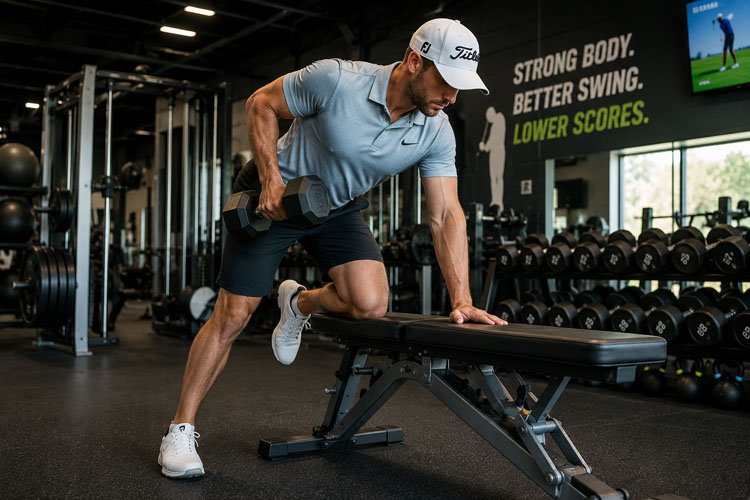 You don’t need a tour card to benefit from golf fitness. Amateur golfers are embracing the same training principles and seeing big results.
Golf-specific workouts have become more accessible through Green Physique’s online coaching, and in person training programs designed for all skill levels. Players who train regularly report more consistent ball striking, fewer aches and pains, and improved endurance.
Plus, as more people prioritize health and longevity, golf offers a perfect combination of recreation, exercise, and social connection. Fitness makes it even more rewarding.
The Ripple Effect: Equipment and Course Design
The fitness evolution has also influenced how the game is played and built.
Stronger players swinging faster led manufacturers to design clubs and balls that can handle higher speeds without sacrificing control. Meanwhile, golf courses have responded by lengthening holes and creating more strategic challenges.
This cycle; athletes driving innovation, and innovation reshaping the game continues to push golf into a more dynamic, competitive, and athletic era.
What’s Next for Golf Fitness?
The future of golf fitness looks high-tech and highly personalized.
We’re already seeing the rise of wearable motion sensors, AI-based swing analysis, and data-driven recovery plans. Golfers are now training smarter, focusing on mobility, movement efficiency, and injury prevention as much as strength.
As younger generations grow up treating golf as a sport rather than just a pastime, athleticism will become the new standard. The modern golfer will be faster, stronger, and healthier than ever before.
Final Thoughts
Over the last 40 years, golf has evolved from a game of finesse into a full-body sport. Fitness has changed everything, from how players train and swing to how they recover and compete.
Thanks to pioneers like Tiger Woods and advancements in sports science, today’s golfers are true athletes. They hit it farther, play more consistently, and stay healthier for longer.
The message is clear: whether you’re chasing a tour win or just trying to beat your buddies on the weekend, investing in fitness isn’t optional anymore, it’s part of the game.