

Skip the Artificial Buzz: Why I Prefer a Natural Pre-Workout for Better Performance
Walk into any supplement store and you’ll find shelves packed with brightly colored pre-workout powders promising explosive energy, laser focus, and incredible pumps. The labels are often filled with flashy marketing claims and ingredient lists that read more like a chemistry experiment than something designed to improve your health.
While some commercial pre-workouts certainly have ingredients that can improve performance, many rely on excessive stimulants, artificial additives, and proprietary blends that leave you guessing what you’re actually putting into your body.
Having spent years in the wellness industry before specializing in golf fitness, I’ve always believed the best nutrition plan is one that works with your body instead of forcing it into overdrive. My philosophy has always been simple: build your foundation with whole foods, then use clean, evidence-based supplements only when they truly provide a benefit.
The Problem with Many Commercial Pre-Workouts
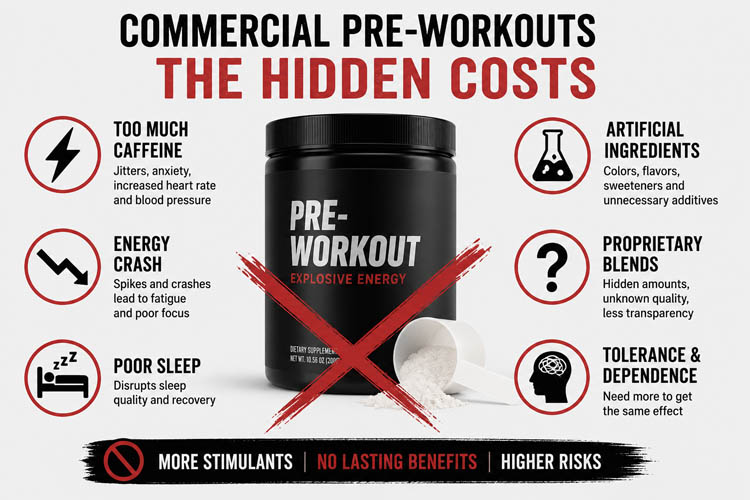
Not every commercial pre-workout is bad. In fact, several contain ingredients supported by quality research. The problem is that many formulas combine those beneficial ingredients with unnecessary stimulants and artificial additives.
Common concerns include:
- Extremely high doses of caffeine that can increase heart rate, anxiety, and blood pressure.
- Energy spikes followed by noticeable crashes later in the day.
- Artificial colors, flavors, and sweeteners that offer no performance benefit and instead have harmful long-term side effects.
- Proprietary blends that hide the actual amount of each ingredient.
- Poor sleep quality, especially if taken later in the day, reducing recovery and muscle repair.
- Building a tolerance that requires larger and larger doses just to feel the same effect.
As a holistic golf fitness professional, I don’t want clients depending on a supplement just to get through a workout. I want them sleeping better, recovering better, moving better, and developing energy that lasts throughout the day, not just for the next hour.
Why I Prefer a Holistic Approach
Instead of overwhelming the nervous system with stimulants, I prefer supporting the body’s natural physiology.
A holistic pre-workout focuses on improving:
Blood flow and nitric oxide production
Hydration and electrolyte balance
Cellular energy production
Mental focus without overstimulation
Long-term recovery
The result isn’t the jittery feeling many people associate with pre-workouts. Instead, it’s a steady level of energy, improved endurance, better circulation, and enhanced recovery.
Nature’s Performance Enhancers
One of my favorite ingredients is beetroot.
Beets are naturally rich in dietary nitrates, which the body converts into nitric oxide. Nitric oxide helps relax blood vessels, improving circulation and allowing oxygen and nutrients to reach working muscles more efficiently. For golfers, that can mean improved endurance during long practice sessions, while other athletes may notice better stamina and muscular endurance.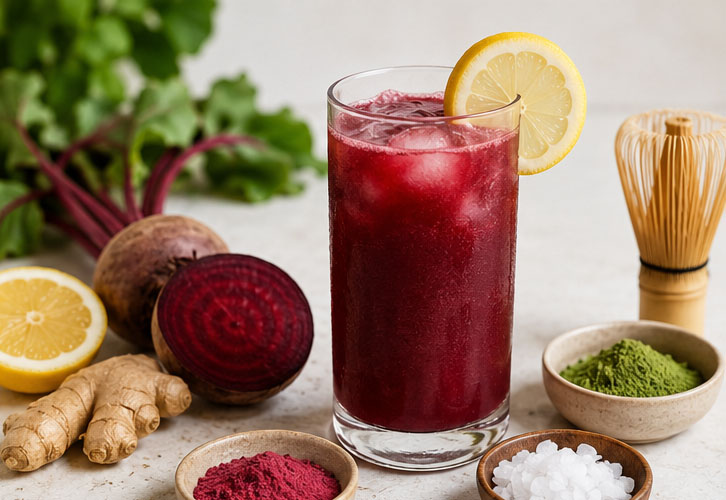
Another favorite is L-citrulline. Research consistently shows that L-citrulline supports nitric oxide production, complements beetroot extremely well, and may help improve blood flow, reduce fatigue, and enhance exercise performance.
I also appreciate several adaptogenic herbs and mushrooms, including Rhodiola rosea, Ashwagandha, and Cordyceps. Rather than creating a temporary stimulant effect, these ingredients may help the body adapt to physical and mental stress while supporting consistent energy and recovery over time.
For those who enjoy a little caffeine, I much prefer matcha or green tea over highly concentrated caffeine powders. Matcha provides naturally occurring caffeine alongside L-theanine, which often produces smoother focus with less of the nervous, jittery feeling many people experience from large caffeine doses.
While moderate amounts of caffeine can improve alertness and exercise performance, consuming too much can have unwanted consequences. High doses may increase heart rate and blood pressure, cause jitters, anxiety, and digestive discomfort, and make it difficult to focus calmly during exercise. Excessive caffeine, especially later in the day, can also interfere with sleep quality, reducing recovery, muscle repair, and overall performance. Over time, regular use of large amounts of caffeine may lead to tolerance, requiring increasingly higher doses to achieve the same effect while increasing the risk of unwanted side effects.
My Natural Holistic Pre-Workout
Here’s one of my favorite combinations.
Base Ingredients:
- 8–12 ounces of coconut water
- 1 tablespoon organic beetroot powder (or 4–6 ounces fresh beet juice)
- Juice from half a lemon
- ½ teaspoon freshly grated ginger
- Small pinch of high-quality sea salt
- Performance Boosters
- 6–8 grams L-citrulline
- 3–5 grams creatine monohydrate (optional, but one of the most researched and effective performance supplements available)
- ½–1 teaspoon ceremonial or culinary-grade matcha
- Optional Adaptogens
-
- Choose one:
- Rhodiola rosea
- Cordyceps mushroom extract
- Ashwagandha (particularly useful if training stress is high, although many people prefer taking it later in the day)
- Choose one:
-
 Mix everything together, shake well, and drink approximately 45–60 minutes before training.
The taste is clean, refreshing, and surprisingly enjoyable without relying on artificial flavors or excessive sweeteners.
Don’t Forget Protein
While I don’t typically include protein in a pre-workout drink unless someone is training on an empty stomach, protein still plays an important role in recovery and muscle development.
When choosing a protein supplement, I encourage quality over marketing.
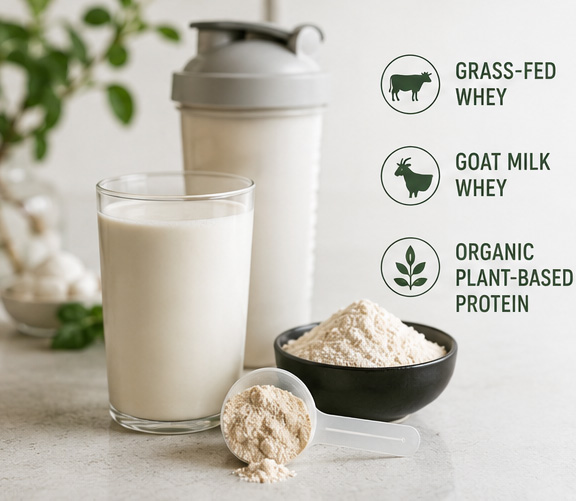
For whey protein, I prefer products sourced from grass-fed cows whenever possible. Even better, I appreciate goat milk whey protein, which many people find easier to digest while still providing an excellent amino acid profile.
For plant-based proteins, I recommend choosing an organic, soy-free formula that combines multiple plant sources to create a complete amino acid profile capable of supporting muscle repair and growth.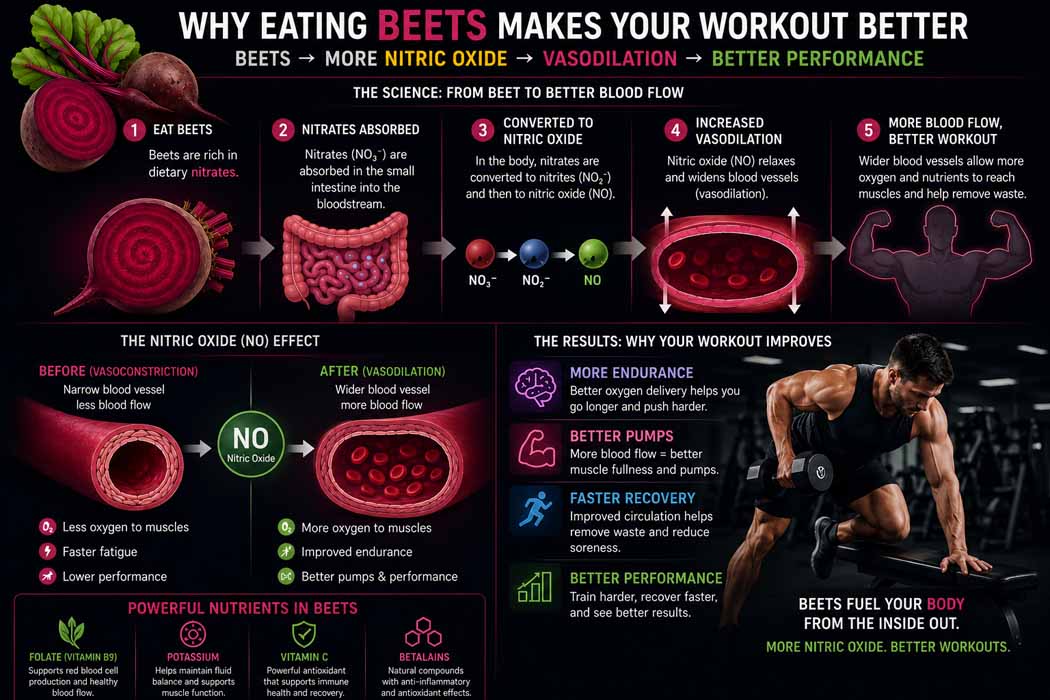
Train Your Body—Don’t Borrow Tomorrow’s Energy
The goal of nutrition shouldn’t be to overwhelm your body into performing.
It should be to support your body’s incredible ability to perform naturally.
When your sleep is solid, your hydration is consistent, your nutrition is based on whole foods, and your supplements are selected thoughtfully instead of emotionally, you build a foundation for long-term performance instead of chasing short-term stimulation.
Supplements should do exactly what their name implies—they should supplement an already healthy lifestyle, not replace it.
That’s the approach I’ve followed throughout my career, first in the wellness industry and now in golf fitness. I believe the best results come from respecting the body’s natural physiology, choosing clean, evidence-based ingredients, and remembering that true performance isn’t about finding the strongest stimulant, it’s about creating the healthiest athlete.
The Holistic Golfer Philosophy
“I believe better golf begins with a healthier body. My goal isn’t to help you rely on more supplements or swing harder, it’s to help you move better, recover faster, think clearer, and enjoy the game for decades to come. Food first. Evidence-based supplementation when appropriate. Always train for lifelong health.”
Scientific References
This article is based on current evidence from peer-reviewed research, including publications from the Journal of the International Society of Sports Nutrition, National Library of Medicine, Sports Medicine, and other leading journals in exercise physiology and nutrition.